
A digital experience that helps people find their way forward.
ALZ.org serves millions of people who are navigating or helping people navigate one of the most difficult experiences of their lives. BlueModus will help you simplify, structure and scale that experience so every visitor finds what they need, faster.
This proposal is a little different - and that was intentional. It isn't using some pre-built software, it's using our AI Agent to create an interactive experience. Because we believe people want more than just a powerpoint. And we also want to show ALZ that with quickly changing technology, a lot more can be done in less time.
We understand what's at stake.
ALZ.org isn't just a website. It's where people turn in moments of crisis and uncertainty. It's also where they turn for hope. Over 7 million people are living with Alzheimer's today - and every one of them, along with their families and caregivers, may arrive at your site not knowing where to start. The redesign opportunity in front of you is significant. Not just visually, but structurally as well. The work is about making a complex, content-rich ecosystem discoverable and more likely to drive the actions that advance your mission.
This strategy will go beyond the website. With Gemini, ChatGPT and other LLMs increasingly at the center of discoverability, Alzheimer's Association's strategy has already begun to evolve. You have a 90% AI Search credibility score and you are often the source for initial information and research around the disease. Our challenge with this redesign is ensuring we remain the answer while delivering a richer UX for all of your potential visitors. This new site must go beyond information delivery towards personalized, conversational guidance.
We are not new to this partnership. The Alzheimer's Association has been a BlueModus client for years. Though we were not the UX agency that delivered your current look and feel (just a few refreshes along the way), we have aimed to be a consistent, technical team that brings trends, ideas and true partnership. We understand your brand, your audiences, your content complexity, and your team. We're not starting from zero. We're building on what works and fixing what doesn't.
Thinking beyond the day-to-day
For clients we're deeply invested in, we periodically run what we call North Star exercises - moments where we step back from day-to-day work and pressure-test new ideas and UX directions against a client's brand and mission. The goal isn't to be right. It's to think differently and keep our team sharp on where things are heading. Over the past year, we've done three such efforts for the Alzheimer's Association. None of these are the answer for the redesign, but they reflect how we think about your potential, and our commitment to bringing that thinking to you proactively.
What we heard.
Your RFP is direct and specific. We read it carefully. Here's what we understand to be true about where ALZ.org is today:
Users are overwhelmed
Navigating dense content is hard. Many users don't know where to start, and site search doesn't consistently surface the pages they're looking for.
Structure doesn't match intent
The IA reflects internal organization, not how your audiences think. Labels and structure don't always match user expectations.
Content keeps growing
Programs and partnerships are added continuously. And, you need content that can be cited by AI and used across your marketing channels.
Accessibility is non-negotiable
Your users include people with cognitive decline and low vision. WCAG 2.2 AA compliance sitewide, with AAA in key areas, is critical.
Internal teams need better tools
Meta data generation and image tagging are tedious tasks slow down a small, capable team. There's real opportunity for AI-assisted workflows.
Findability is the frontier
Onsite search needs to return answers, not just pages. AI-assisted semantic search is a clear direction forward.
Our point of view.
Before we talk about platforms or timelines, here's the key goals we think should be a guiding force.
Simplify how users enter
Organize the experience around user intent and life stage, not internal program structure. Give people a clear front door.
Structure content for reuse
Model content so it can be surfaced across channels, adapted for different audiences, and found by AI-driven search engines.
Improve how users find answers
Not just better search, but search that returns direction. Users shouldn't have to know what to search for. The site should guide them.
Build a foundation your team can manage
The CMS should reduce dependency on developers for routine updates and give editors real control with governance guardrails built in.
What will change.
This isn't a refresh. Here's the concrete shift from today to the future state:
- Dense navigation without clear entry points
- Content organized by internal structure
- Search as a fallback when navigation fails
- High editorial effort to maintain and update
- Accessibility addressed reactively
- Limited personalization or guided paths
- AI search engines lack structured signals
- Clear entry points organized by need and life stage
- Guided paths with suggested next steps
- Search that returns answers and direction
- Structured content that is easier to manage and reuse
- Accessibility-first design from the start
- Progressive guidance based on user behavior and context
- Content structured for AEO, GEO and AI discoverability
How we'll get there.
Each phase reduces risk and builds toward a scalable foundation, with ongoing stakeholder alignment baked in throughout.
Discovery & Alignment
Define audiences, audit content, map journeys, establish architecture.
Experience & Content Design
Wireframes, UI, content strategy, personalization, design system.
Platform Implementation
CMS build, integrations, search, migration, QA, and performance optimization.
Launch & Evolution
Phased launch, monitoring, training, governance, ongoing support.
Discovery & Alignment.
Discovery isn't a checkbox, it's where we earn confidence. We go deep across UX, content and tech.
Stakeholder interviews
10-15 sessions with different stakeholder groups including IT, marketing, chapter teams and more. We map competing priorities and surface the decisions that will shape everything downstream.
User research
A series of 10-12 interviews with key audience segments to understand desired functionality and current stall points.
Analytics & SEO review
How do users discover ALZ? Where do they enter? Where do they leave? We'll perform a full review of current data to help drive the UX and inform content and search strategy.
Content audit
A full ROT analysis - identifying redundant, outdated and trivial content - to determine what should be migrated, what's missing and what should be reimagined. We'll identify cross-channel usage and strategies for content to enable more efficient editorial management, while also centering on AEO strategies.
IA & user journeys
Recommendations for the sitemap and navigation based on research and audit findings. This goes beyond a simple hierarchy. We recommend strategies for navigation, user journeys and, where applicable, agentic and conversational experiences. Most often delivered as high-fidelity prototypes.
Technical review
Though we are familiar with the site, we'll confirm any new requirements related to integrations, search and the recommended content model. The final deliverable will spell out the recommended architecture and approach.
Implementation plan
Based on the above, we'll build out the UX and technical implementation plan. This will guide us through the project and identify risks, governance requirements and more.
Governance & operating model
We define how content will be created and reviewed across national and chapter teams, ensuring the new platform is sustainable long-term.
- + 10–15 stakeholder sessions across national teams, chapter leadership, and key functional groups
- + User interviews across key audience segments (caregivers, newly diagnosed, donors, professionals), supplemented by journey validation sessions
- + SEO / AEO audit
- + Analytics audit
- + Content audit
- + UX and content findings & recommendations presentation
- + Navigation and user journey recommendations via high-fidelity prototype
- + 3-4 technical review sessions
- + Technical architecture plan
- + Implementation plan
- + Audience segmentation framework with content journey maps
- + Governance model and editorial workflows
- + Content prioritization and migration strategy
- + KPI and measurement framework
Experience design.
We don't start with pixels. We start with what your users are trying to do and what gets in their way. Then we design around that.
Information Architecture & User Journeys
Content organized around user intent, not internal structure. Clear audience entry points — "I'm a caregiver," "I'm newly diagnosed," "I want to get involved." Consistent next-step patterns across every page, reduced navigation depth, and cross-channel journey mapping across web, email, social and events.
Visual Design & Brand Direction
Mobile-first mockups of all primary templates and journeys, developed in two initial directions with meaningful iteration. Brand alignment built in from the start — photography direction, illustration style, iconography, and responsive behavior documented across all key breakpoints.
Design System & Interaction Specs
A complete, token-based design system covering typography, color, spacing, iconography, and a full component library — including every interactive state: hover, focus, active, disabled, error, loading and empty. Motion and interaction principles defined and documented. WCAG 2.2 accessibility annotations on every template: focus order, ARIA roles, contrast ratios, and touch target sizing.
Testing, Handoff & Design QA
Interactive prototypes validated with real users before development begins. Annotated developer handoff documentation bridges design intent and build precision. Two formal design QA passes — mid-build and pre-launch — close the gap between approved design and delivered product.
- + 1-2 brand alignment sessions
- + Photography, illustration and iconography direction
- + Cross-channel journey maps — all primary user segments
- + Initial mockups of primary flows based on discovery — two initial directions with significant iteration and collaboration
- + 3-4 rounds of revisions for initial direction
- + Responsive design specifications across all primary breakpoints
- + Interactive prototype of remaining journeys and user flows, including chapter experience patterns
- + Usability testing findings and recommendations
- + 3-4 rounds of revisions for final direction
- + Complete design system: design tokens, component library, all component states, and pattern documentation
- + Accessibility annotation package for all templates: focus order, ARIA roles, contrast ratios, touch targets
- + Motion and interaction specification document
- + Email and notification template designs aligned to cross-channel strategy
- + Annotated developer handoff documentation
- + Design QA reviews: two passes (mid-build and pre-launch)
- + Visual design system and style guide
Content strategy.
Without a good content strategy and model, the redesign solves today's problem and creates tomorrow's. This is one of the most critical investments in the project.
Model before you build
We define articles, resources, events, tools and other types - their fields, relationships and reuse rules.
Findability by design
Standardized taxonomy and metadata make content discoverable by users, search engines, and AI-powered experiences.
Less is more
We identify and consolidate duplicate and overlapping content, reducing maintenance burden and improving signal quality for search.
AEO Strategies
Creating a question-based approach to your content with deeper references to drive engagement off and on the site.
Content Plan
Create a manageable editorial plan for ongoing content creation across all channels, focusing on re-use / reimagining content based on medium and audience.
Content Governance
Define roles, responsibilities and workflows for content creation and approval across national and chapter teams.
Content Lifecycle
Establish processes for content updates and archival to ensure long-term quality and accuracy.
- + Recommendations based on content and AEO audit: content to keep, content to reimagine
- + Content model for new site
- + Recommended automations for metadata and schema structure
- + Taxonomy and tagging framework
- + Content governance documentation
- + Editorial plan, guidelines and best practices
- + Content migration prioritization matrix
Personalization & guided experience.
We're not proposing over-engineered personalization. We're proposing just enough to be genuinely helpful without burdening users.
- Suggested next steps based on the page a user is currently viewing
- Related content surfaced by taxonomy and user behavior signals
- Progressive guidance as users move deeper into a topic or journey
- Structured pathways for key audiences: caregivers, newly diagnosed, researchers, donors
- Personalization strategy that can evolve as data matures
AI readiness for growth.
We'll introduce it where it solves a real problem that is grounded in your content, controlled and secure, and with data to help you continue to iterate.
Structure and signal
Improve tagging, metadata and search relevance. Automate content organization tasks that currently burden your editorial team. Build the data foundation that makes every future AI investment more effective.
AI-assisted search and Q&A
Users can ask questions and get clear, sourced answers. Search that surfaces the answer, not just a list of pages. With strict guardrails and insight to ensure we're delivering the right content and answers to all constituents.
Conversational and guided experiences
Expand into more guided, conversational interactions where appropriate, helping users navigate complex decisions, find local resources, or understand next steps in their care journey.
Platform & CMS.
Based on our years supporting you and details in your RFP, here is our understanding of what your organization needs from a platform:
- API-first architecture that integrates across your ecosystem - CRM, fundraising, events, advocacy
- Structured content support: create once, publish everywhere, reuse with confidence
- Workflow and governance built in: multi-step approvals, role-based permissions, audit trails
- Non-technical users can manage content without developer involvement for routine updates
- Scales to support both national and chapter content needs with appropriate governance
- Headless or hybrid architecture that is flexible enough for your ecosystem, manageable for your team
Our recommendation: Xperience by Kentico
We recognize that ALZ.org has been on Kentico for some time. It's served its purpose, but we also know it's had its challenges. The upgrade cycle alone has been a recurring source of frustration, and that's a fair criticism. What we want to be clear about is this: Xperience by Kentico is not an upgrade. It's an entirely new platform rebuilt from the ground up, informed by feedback from organizations exactly like the Alzheimer's Association.
No more upgrade cycles. The platform evolves continuously without the disruptive, resource-heavy upgrades of legacy Kentico.
Infrastructure burden moves off your team. Hosting, scaling and security are managed at the platform level with self-hosted options available if needed.
Pure headless platforms like Contentful, Kontent.ai and Contentstack create ongoing developer dependency. Xperience pairs a headless content hub with scalable, editor-friendly content management.
As an existing Kentico customer, ALZ benefits from a grandfathered license price and a significantly more streamlined migration path. That's real cost savings redirected toward delivering a better experience.
How Xperience meets your RFP requirements:
- + Headless and hybrid CMS in a single platform
- + API-first content delivery (GraphQL)
- + Role-based access control and configurable content workflows
- + Structured content modeling for personalization and multichannel use
- + Visual page building with simple, flexible interface
- + Content scheduling and versioning with lifecycle management
- + Multi-language support
- + SSO / SAML / OAuth authentication
- + Strong integrations for testing, accessibility and privacy consent
- + Scalable cloud hosting with CDN and zero-downtime deployments
Architecture overview.
A high-level view of how the platform comes together: designed to integrate with your existing ecosystem, support your internal team and provide a flexible foundation for future growth.
Xperience by Kentico CMS
Content is created once and structured centrally to support a true re-use model. Through APIs and integrations, content can be reused and distributed across web, email, social and emerging channels, enabling consistent messaging and more efficient content operations. Built-in workflows and governance ensure quality, accuracy and long-term sustainability.
CDN + cloud hosting
Xperience by Kentico supports both SaaS hosting and self-managed cloud deployments (e.g., Azure). This provides flexibility to align with your internal IT strategy, while ensuring global CDN distribution, strong performance and scalability for high-traffic moments.
CRM, events, fundraising
GraphQL APIs connecting to Salesforce, Luminate and other systems. Integration architecture documented and tested end-to-end.
AI-assisted discovery & search
We implement a modern search experience that goes beyond results to deliver direction. Using Azure AI Search and structured content, users can ask questions in plain language and receive relevant, contextual answers. This supports both traditional search and more guided, conversational experiences that help users find what they need faster.
Migration strategy.
With ~4,400 pages and complex relationships, migration is where many projects fail. We don't treat it as an afterthought.
- Full content audit and mapping completed during Discovery, before migration begins
- Automated migration tools used for structured, high-volume content sets
- Manual review process for high-value, complex content
- Comprehensive redirect strategy (301 redirects) to preserve SEO equity
- Iterative QA cycles to validate accuracy, links, metadata and accessibility at each stage
- Decommissioning plan for outdated templates and unused content
- Content migration timeline aligned to phased launch approach
Development & integrations.
Based on our experience with ALZ.org and the insights gained through discovery, design and content modeling, we will build the full platform front to back. Our understanding of your existing integrations and workflows allows us to reduce risk, provide more accurate estimates and streamline the build. Below are the key areas of focus.
Templates, widgets & experiences
Based on approved designs and the content model, we create the templates, widgets and experiences identified focusing on authors and front-end performance.
Structured content in Kentico
We incorporate a structured, hybrid content model within Xperience by Kentico, enabling better reuse, easier management, and a stronger foundation for personalization and AI-driven experiences.
Email, social & emerging platforms
We extend content beyond the website by integrating with email platforms, social channels and other distribution tools. This supports a cohesive publishing model where content can be adapted and delivered across channels, improving efficiency for your editorial team.
Luminate / Blackbaud integration
We modernize form experiences while maintaining seamless integration with Luminate, improving usability and accessibility while preserving submission workflows.
Streamlined event experiences
We streamline how event data is managed and displayed by combining external data sources with structured content, creating a more consistent experience while reducing manual effort for editors.
Agentic search experience
We implement an agentic search experience - likely using Lucene or Azure AI Search - that delivers more relevant, guided results. This includes conversational discovery, dynamic ranking and the ability to highlight key content more effectively.
Rebuilt key experiences
We rebuild or create key custom experiences identified in discovery, such as Brain Tour and recognition features, ensuring they are modernized.
Consistency with flexibility
We enhance the chapter experience by balancing consistency and flexibility. Standardized structures simplify editing while still allowing chapters to tailor content to their local audiences.
Unified content structure
We consolidate resources, articles and other content in a more unified and manageable structure within Kentico, while preserving the ability to support unique content types and experiences.
Consistent, accessible media
We standardize media components creating a flexible media library, including YouTube and other identified platforms.
Okta & access control
We maintain existing authentication systems including Okta, while ensuring alignment with modern security and access control requirements.
Smooth transition, preserved equity
We migrate and enhance redirect management to preserve SEO value and ensure a smooth transition for users, including improved flexibility and governance of redirects across the site.
Modernized internal APIs
We maintain and modernize internal APIs to support key functionality across the site, ensuring continued integration with existing systems while improving performance and scalability.
Governance & workflows.
ALZ.org operates with both centralized national content and a decentralized chapter model. Governance needs to support both with appropriate controls at each level.
Role-based permissions
National vs. chapter editors. Admins, contributors, approvers. Each role sees what they need and can't break what they shouldn't touch.
Approval workflows
Multi-step approval flows built into the CMS. Content doesn't publish without the right sign-offs and the process is trackable.
Content lifecycle
Content lifecycle management supports draft, review, approval, publishing, and archiving stages, with optional scheduling and workflow-driven governance.
Audit trails
Content versioning enables tracking changes and restoring previous versions, supporting accountability within editorial workflows.
Analytics & measurement.
You can't improve what you don't measure. We implement analytics infrastructure that gives you a clear, honest picture of what's working.
- KPI definition workshops aligned to business goals
- GA4 implementation with a comprehensive data layer structured to track the events that matter
- Cross-domain and subdomain tracking across the ALZ.org ecosystem
- Content discovery tracking: how users find pages, what they do next, where they exit
- Engagement metrics tied to mission outcomes: donations, event sign-ups, newsletter subscriptions
- System-level analytics as a check and balance against GA4 data
- Insight into agentic conversations and experiences
- AEO visibility tracking - monitoring credibility signals, citation frequency and how ALZ.org is surfaced and attributed across AI-driven search experiences
- Dashboard development for key stakeholders
- Ongoing reporting and optimization cadence
A/B Testing Strategy
We will implement a structured A/B testing framework using a third-party platform to support ongoing experimentation across the site. This enables continuous optimization of key experiences, from navigation and content presentation to conversion pathways.
In parallel, we will define a centralized testing and reporting approach that connects insights across web, email and social channels. By bringing these signals together into a unified view, your team can identify patterns, scale successful strategies and make more informed, data-driven decisions across the entire digital ecosystem.
Accessibility, security & compliance.
These aren't checkboxes. They're built into every phase of the project from design through QA.
WCAG 2.2 AA/AAA
Sitewide AA compliance minimum. AAA for audience-specific areas. Keyboard-only usability, screen reader compatibility, semantic HTML, and accessible forms, tested with both automated and manual methods.
Layered security and compliance
Supported by our SOC 2 Type 1 compliance and Kentico's published trust program, the solution includes documented SOC 2 and ISO/IEC 27001 controls, along with RBAC, MFA, logging, anti-DDoS protections, incident response, and published penetration testing and secure development practices.
Privacy and compliance ready
Supports GDPR and CCPA initiatives through integration with third-party privacy tools for cookie preference management, DSAR workflows, and consent management, ensuring a scalable and compliant approach.
Core Web Vitals
Mobile-first performance benchmarks, lazy loading, asset optimization, CDN caching - built to scale for major campaign traffic spikes.
Delivery model.
We run projects the way we'd want them run if we were the client. Transparent, sprint-based, with regular demos and no surprises.
Dedicated team
Strategic Director, Project Manager, and Solution Lead assigned from day one. You always know who to call and who's accountable.
Sprint-based delivery
Bi-weekly sprints with demos and reviews. Work is visible and testable throughout, not revealed at the end.
Early alignment
We bring stakeholders in early and often, not just for sign-offs, but for real input. Surprises in a project this size are expensive.
July 1, 2026 start
Aligned to your proposed contract timeline. Phased milestones from Discovery through Launch, with flexibility for findings that reshape scope.
Timeline and budget.
A 24-month engagement structured to reduce risk, build momentum, and deliver a scalable foundation.
| Phase | Q1'26 | Q2'26 | Q3'26 | Q4'26 | Q1'27 | Q2'27 | Q3'27 | Q4'27 |
|---|
Budget by phase
- Full UX, content and technical discovery
- Complete redesign and design system
- Content transformation and migration
- AI-readiness plan supporting AEO and agentic experiences
- Platform implementation and integrations
- Governance, training and launch support
| Phase | Scope | Estimated investment |
|---|---|---|
| Discovery (UX, Content, Technical & Analytics) | Q1'26 – Q2'26 | $77,000 |
| Design & Content Strategy | Q2'26 – Q3'26 | $120,000 |
| Foundation Development & Migration | Q4'26 – Q1'27 | $120,000 |
| Custom Development | Q4'26 – Q2'27 | $325,000 |
| Training, Testing, Launch & Measurement | Q3'27 – Q4'27 | $81,000 |
| Total Investment | 24 Months | $723,000 – $950,000 |
Work that speaks for itself.
We've done this work. Mission-driven organizations navigating the same complexity you're facing:
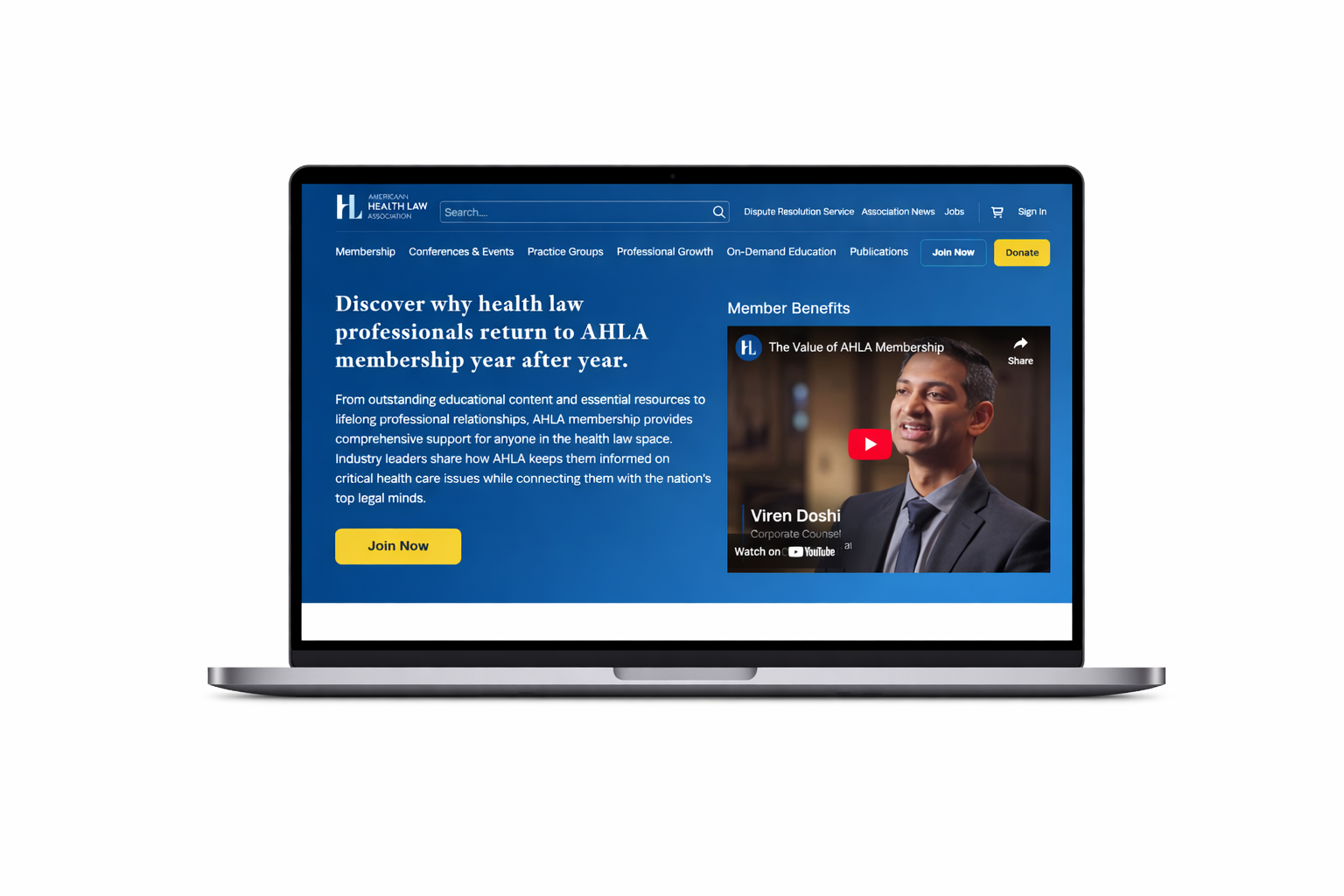
American Health Law Association
A large technical undertaking integrating with multiple backend systems to improve member experiences and awareness.
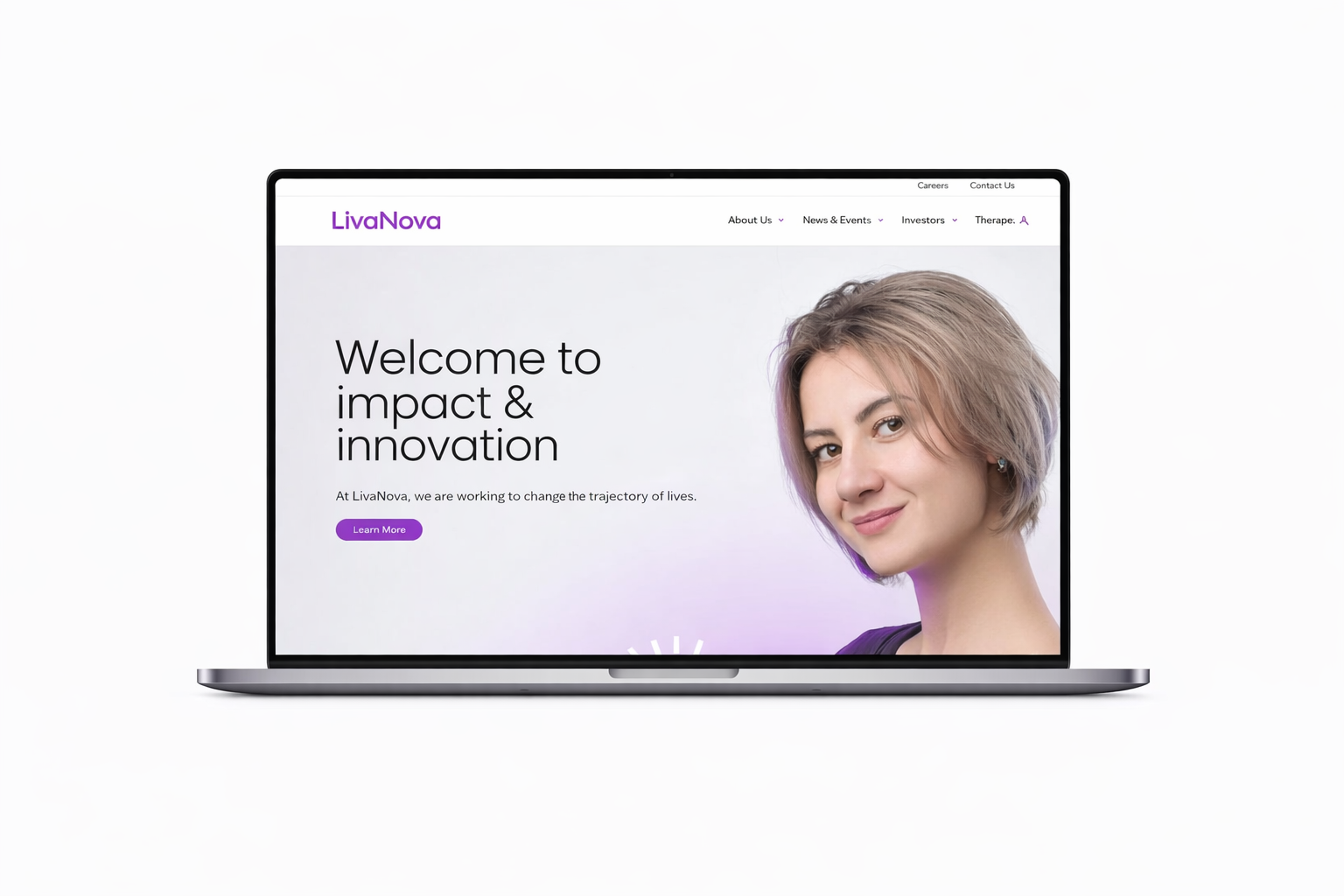
LivaNova
A complex redesign for a global medical technology company - multiple audiences, deep technical content, integration requirements, and a need for a design system that could scale across product lines and regions.
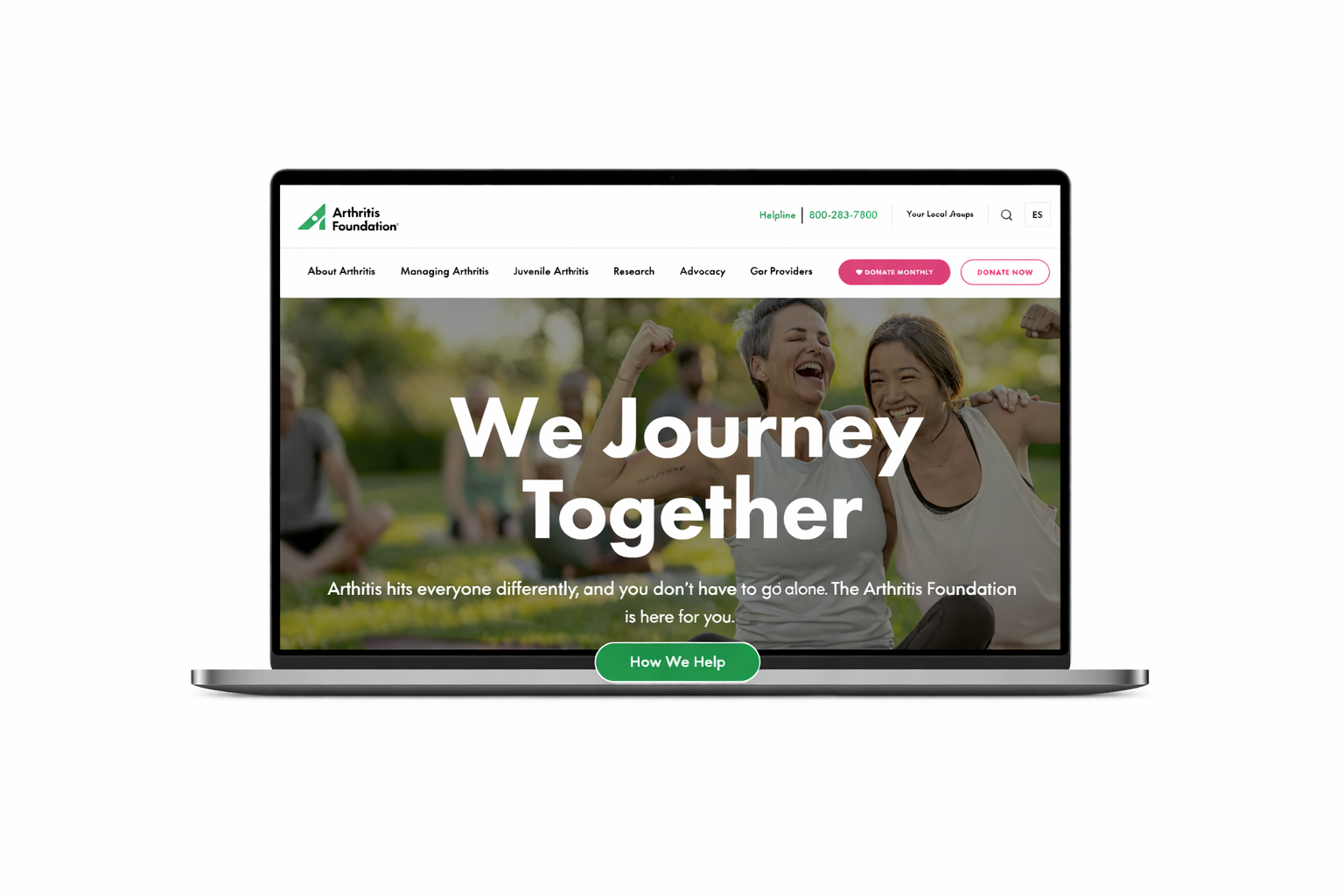
Arthritis Foundation
A full redesign and re-platform geared towards driving disease awareness, donations and events.
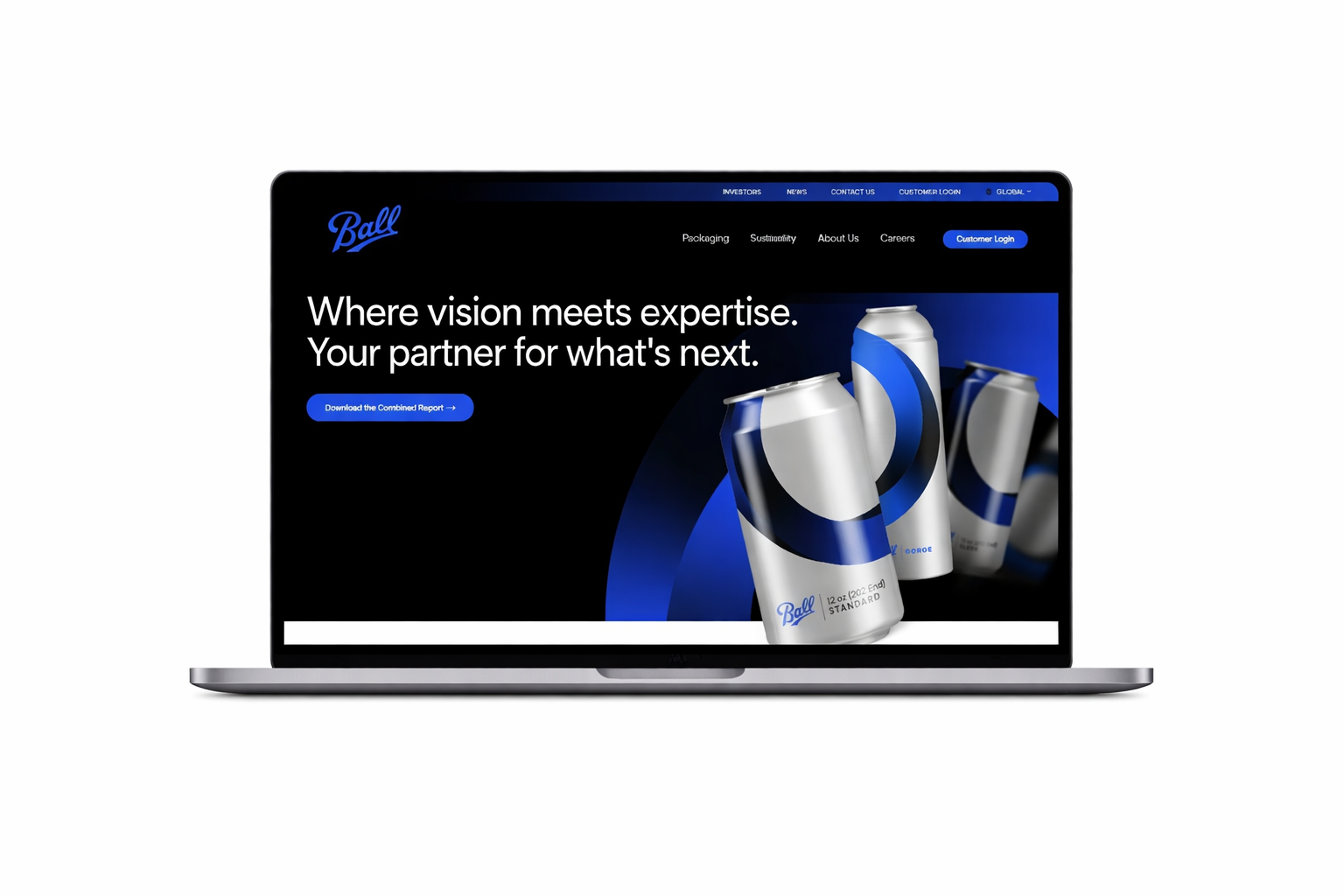
Ball Corporation
An enterprise CMS implementation under a tight timeline - requiring deep Kentico expertise, structured content modeling, and the ability to move fast without sacrificing quality.
Why us, and why now.
There are a lot of agencies who can build a website. Fewer can do what this project actually requires.
We play the long game
We build for the future, not just the launch. Our support model means we're invested in your success long after go-live - and we have the track record to prove it.
Complex doesn't scare us
4,400 pages, dozens of integrations, national and chapter governance, multiple audiences. This is the kind of project we're built for. We've done it before.
Strategy and execution under one roof
We don't hand off strategy to one team and build with another. The people who think through the problem are the people who solve it.
AI that actually helps
We won't sell you an AI strategy that requires a team you don't have. We introduce AI where it creates real value: grounded in your content with guardrails and insight for your team.
This partnership matters to us
Our partnership with the Alzheimer's Association goes beyond day-to-day technical work. Over the past year, we've proactively invested our own time and thinking into your mission. We have run North Star exercises to explore where ALZ.org could go next. These weren't billable hours. They were our way of demonstrating the kind of partner we want to be: one that brings ideas to the table and stays invested in your potential between projects. The three concepts referenced in our executive summary are a reflection of that commitment.
Your team.
Every BlueModus engagement is built around a dedicated, cross-functional team - one that brings the right expertise to the problem, not a rotating cast of generalists. For ALZ.org, that means two groups working in close coordination: a Foundation Team purpose-built for large, complex redesigns, and a familiar support team that already knows you.
Mike Wills · Erin Stevens · Katie Tabler
+ extended project squad
Colin Leslie · Stayce Zamora
+ ongoing client knowledge
Foundation Team — Built for this kind of project.
Our Foundation Team is a dedicated group that specializes in large-scale, complex digital redesigns. They bring together technical depth, UX leadership and disciplined project rigor — and they work as a unit, not a collection of siloed specialists.
Mike is BlueModus' VP of Technology and one of only a handful of Kentico MVPs recognized globally - earning that distinction five consecutive years. He leads multiple development teams tackling high-complexity implementations, and brings over 20 years of software development experience to every engagement. For ALZ.org, Mike will provide technical leadership and architectural oversight from day one through launch.
Erin leads UX strategy and experience design at BlueModus, bringing over a decade of expertise in user-centered design and content modeling. She's known for translating complex business needs into clear, intuitive experiences - balancing user empathy with technical and organizational realities. Erin will drive discovery, information architecture, and experience design for the ALZ.org redesign.
Katie brings over 15 years of project management and operations experience to every engagement she leads. As the Senior Engagement Director, her ability to lead with care, set clear direction and mentor cross-functional teams makes Katie the delivery anchor for complex redesigns - ensuring timelines, quality standards and client expectations stay aligned throughout.
Your ALZ Support Team — Already in your corner.
One of BlueModus' most meaningful advantages on this engagement is continuity. Colin and Stayce have worked alongside the Alzheimer's Association team - they know the platform, the content structure, the integrations and the history. Rather than starting from zero, they plug directly into the Foundation Team to accelerate migration, reduce risk and preserve institutional knowledge that doesn't live in any document.
Colin is a Solution Lead who has been part of the BlueModus team since 2021. A developer with nearly a decade of experience in software design and architecture, he has been a consistent technical presence on the ALZ.org account building familiarity with its integrations, codebase and platform nuances. That institutional knowledge translates directly into a faster, cleaner migration and fewer surprises during build.
Stayce is a Senior Engagement Director with over 20 years of project management and digital agency experience. She joined BlueModus in 2018 and has been a trusted partner on the ALZ account managing day-to-day project continuity, maintaining client relationships and keeping complex work on track. Her presence alongside the Foundation Team means no knowledge gap during the handoff from ongoing support to full redesign mode.
Most agencies introduce a new team at the start of a project and call it onboarding. We're bringing people who already know your platform, your team and your history and pairing them with specialists who've done this kind of work many times before. That combination is rare, and it's a genuine advantage for ALZ.org.
Who we are.
Founded in 2001 and headquartered in Denver, Colorado, BlueModus is a full-service digital technology agency built on a simple premise: do impactful work with people who care. Over two decades and thousands of projects later, that hasn't changed.
Built to solve hard problems, built to last.
Dave Conder founded BlueModus in 2001 after growing frustrated with the slow, bureaucratic processes of corporate IT. He wanted to build something different - a technology agency grounded in transparency, efficiency and humility, where talented people could do their best work and clients could trust what they were told. That founding ethos has shaped every hire, every engagement and every decision since. Today, with 70+ senior-level colleagues specializing in .NET development, UX and digital strategy, BlueModus sits at the intersection of content, technology and experience: a fully remote, deeply collaborative team that has never lost sight of what it was built to be.
Three principles have guided the agency for over 20 years: be transparent with colleagues and clients, stay humble and listen, and be helpers first.
Leadership
BlueModus' founder and the technical heartbeat of the agency. Dave has spent over two decades setting the architectural and engineering standards that define how BlueModus builds and mentoring the team of technologists who carry that forward. He remains hands-on, platform-certified and deeply trusted by both clients and colleagues.
Tom leads the agency's operations, culture and growth strategy. Since joining BlueModus in 2016, he has shaped a team known for transparency, accountability and genuine care for clients. His leadership philosophy centers on servant leadership - building an environment where great people do their best work and clients feel it in every interaction.
Becki leads strategy and client experience at BlueModus - bringing together digital strategy, UX thinking and content direction into a unified point of view for complex engagements. She is the connective tissue between client ambition and technical execution, and the driving force behind BlueModus' investment in forward-looking work like the North Star exercises developed for the Alzheimer's Association.
Built for mission-driven organizations.
A meaningful portion of our portfolio is made up of non-profits, health organizations and professional associations - complex organizations that balance mission with scale, serve diverse and sometimes vulnerable audiences, and operate with lean internal teams. We understand the pressures, the governance models, the stakeholder dynamics and the content complexity that come with this territory. It's not a niche we stumbled into - it's work we actively seek out because we believe it matters.
These are a handful of the mission-driven organizations we've had the privilege of serving. To see the full breadth of our work, visit our portfolio at bluemodus.com/our-work ↗.